Unpacking Algorithmic Personalization in Virtual Number Selection Platforms Across Regions
Written by Zara Keller · Oct 29, 2026
Unpacking Algorithmic Personalization in Virtual Number Selection Platforms Across Regions
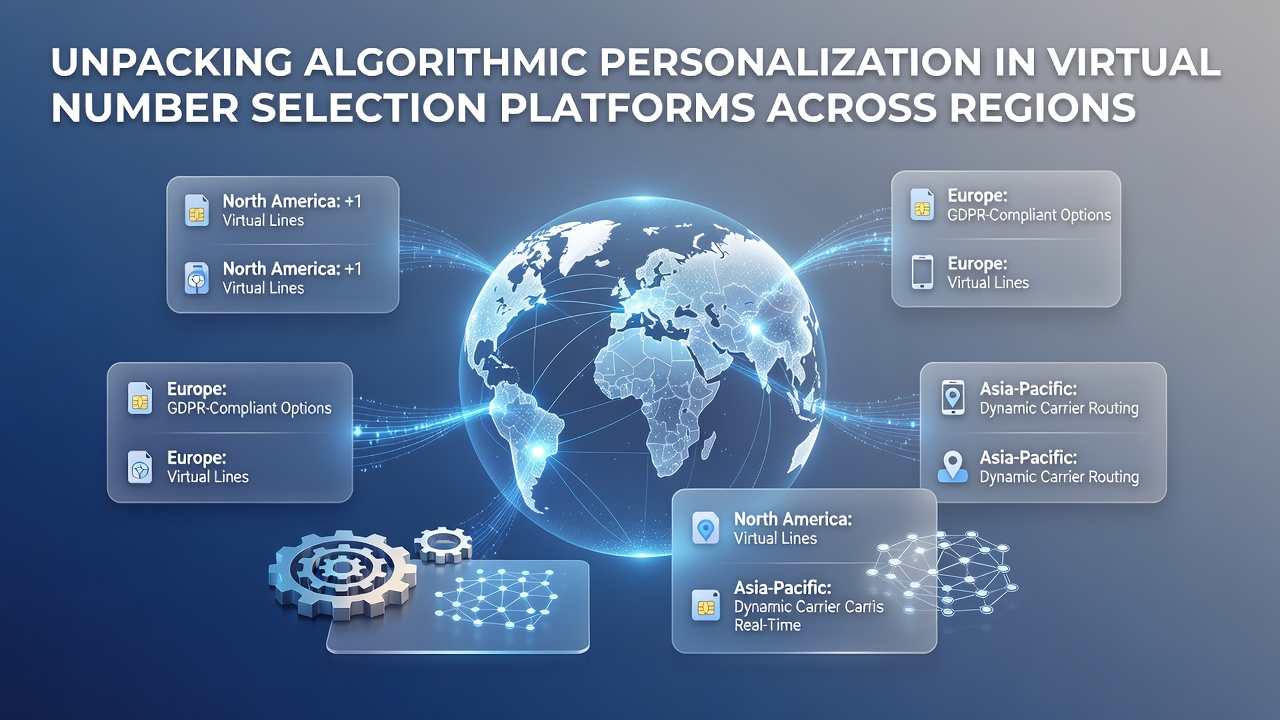
Virtual number selection platforms have grown into sophisticated systems where algorithms analyze user behavior, location data, and regional regulations to present tailored options, and observers note that this process has accelerated since the early 2020s as demand for privacy-focused communication tools expanded worldwide. These platforms allow users to choose temporary or permanent virtual numbers for verification, business, or personal use, yet the selection experience differs sharply between North America, Europe, and Asia because each market imposes distinct data handling rules and network availability constraints.
Algorithmic Matching Mechanisms at Work
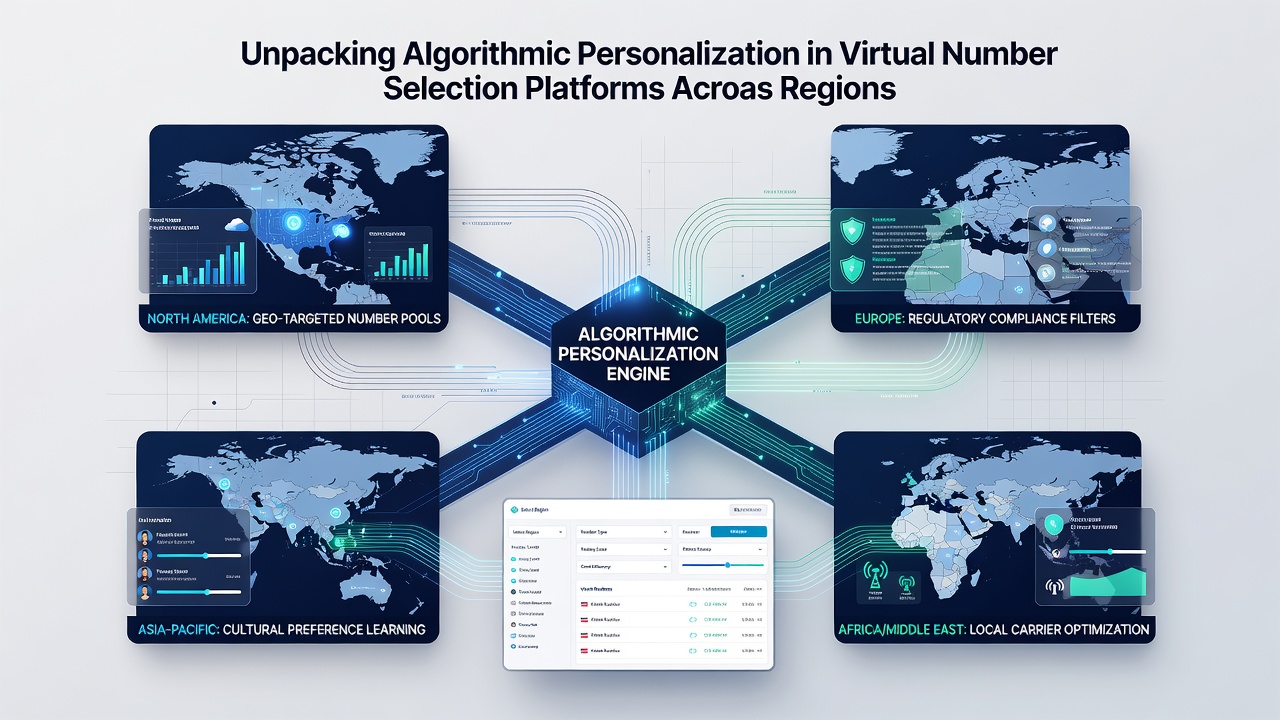
Algorithms on these platforms process inputs such as device type, previous number usage patterns, and even time-of-day preferences to rank available numbers, while data from industry reports shows that personalization engines now incorporate machine learning models trained on millions of anonymized sessions. In practice one platform might prioritize numbers with specific area codes for users in the United States because regulatory frameworks from the Federal Communications Commission encourage local number portability, whereas the same system in Southeast Asia could surface numbers tied to popular messaging apps first since those services dominate daily communication there.
Researchers at several universities have documented how these matching systems reduce selection time by up to 40 percent when they factor in regional SIM registration requirements, and the same studies highlight that accuracy improves when platforms cross-reference public carrier databases with user-provided preferences. Yet the underlying models remain proprietary, so independent verification of their fairness across borders continues to rely on periodic audits conducted by third-party technology assessment groups.
Regional Differences in Personalization Approaches
North American platforms tend to emphasize number reputation scores derived from spam databases, which means users in Canada or the United States often see filtered lists that exclude recently flagged ranges, while European services place heavier weight on GDPR-compliant data minimization and therefore limit how much location history the algorithm retains. In Australia the Australian Communications and Media Authority has published guidelines that encourage platforms to disclose the criteria used for ranking numbers, and several major providers adjusted their interfaces in response during 2025.
Asia-Pacific markets present another layer of complexity because many countries require real-name verification before a virtual number activates, so algorithms there integrate national ID checks earlier in the flow and surface numbers only from carriers that already comply with those rules. Observers tracking October 2026 regulatory updates in Singapore and South Korea report that new interoperability standards will force platforms to share anonymized performance metrics, potentially leading to more consistent personalization quality across borders.
Data Inputs and Privacy Safeguards
Platforms collect signals that include IP geolocation, language settings, and even the types of services users intend to verify with the number, then feed those signals into ranking models that predict which numbers will complete activation fastest. Academic papers from European research consortia indicate that adding carrier latency data to these models can cut failed verification attempts by nearly a third, although the same papers caution that over-reliance on historical user data risks reinforcing regional biases when certain number pools receive less traffic.
Because privacy regulations vary, platforms operating in multiple regions often maintain separate model versions: one tuned for stricter consent requirements in the European Union and another optimized for faster onboarding in markets with lighter oversight. Industry associations representing virtual communication providers have begun publishing voluntary transparency reports that list the categories of data each algorithm considers, and these reports have become reference points for developers seeking to align their systems with emerging international standards.
Future Trajectory and Cross-Border Challenges
By October 2026 several governments are expected to finalize rules that require algorithmic impact assessments for any service handling virtual numbers, which could standardize how personalization logic is documented and audited. Cross-border operators already face pressure to reconcile conflicting demands, such as the need to retain usage logs for law enforcement in one jurisdiction while deleting them quickly under data protection statutes elsewhere. Those who've examined pilot programs note that platforms adopting federated learning techniques can improve personalization without moving raw user data outside its home region, a development that may ease compliance burdens.
Technical teams continue to experiment with explainable AI features that let users see why certain numbers appear at the top of their list, and early deployments suggest these features increase trust without slowing the selection process. As more carriers publish open APIs for number availability and reputation data, the accuracy of regional personalization is projected to rise further, although observers caution that smaller platforms may struggle to keep pace with the computational resources required.
Conclusion
Algorithmic personalization has become central to how users interact with virtual number platforms across different regions, shaping everything from initial number suggestions to long-term reputation management. Regulatory developments scheduled for late 2026 and beyond will likely push providers toward greater transparency while preserving the efficiency gains these systems deliver. Continued collaboration between carriers, researchers, and oversight bodies remains essential if the technology is to serve diverse markets equitably.