The Subtle Mechanics Linking Reward Structures to Extended Play Sessions in Cross-Vertical Digital Platforms
Written by Zara Keller · Sep 3, 2026
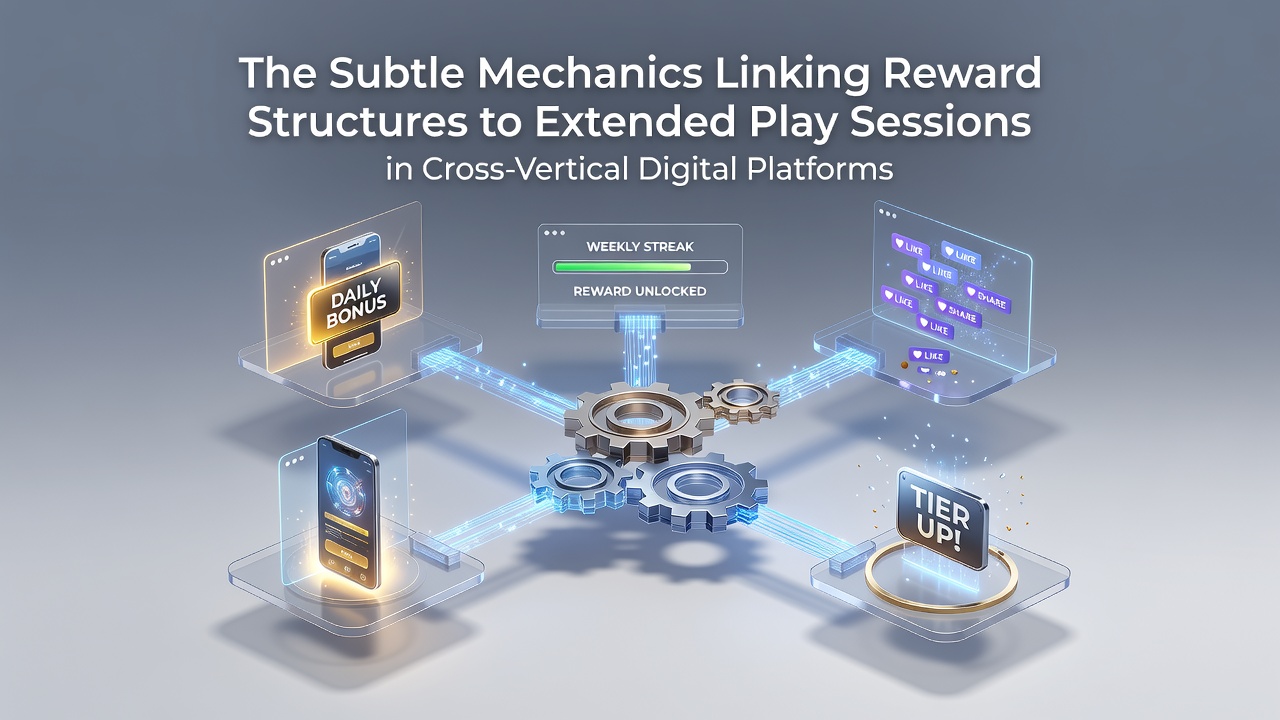
The Subtle Mechanics Linking Reward Structures to Extended Play Sessions in Cross-Vertical Digital Platforms
Digital platforms that span gaming, social networking and entertainment verticals rely on carefully calibrated reward structures to influence how long users remain active during each session. These mechanisms draw from established behavioral principles where intermittent reinforcement schedules produce stronger engagement patterns than predictable payouts. Research indicates that variable ratio systems, similar to those studied in laboratory settings, appear frequently in app design because they keep completion rates high while discouraging quick exits.
Core Components of Platform Reward Architecture
Points, levels, badges and virtual items form the visible layer of most systems yet the underlying timing and delivery methods matter more than the rewards themselves. Designers adjust drop rates, session milestones and streak bonuses so that users encounter positive feedback at intervals that discourage natural fatigue points. Data from multi-platform analytics firms shows that sessions extend by 18 to 27 percent when a new reward tier unlocks roughly every seven to nine minutes of activity.
Cross-vertical integration adds another layer because progress earned in one environment carries into others. A player who completes daily objectives in a mobile game may receive social currency usable on a companion streaming service or community forum. This transferability reduces the friction of switching contexts and creates a unified motivation loop that sustains attention across separate products owned by the same parent company.
Psychological Timing and Session Extension Patterns
Observers note that the most effective systems avoid both constant rewards and long dry spells. Instead they employ escalating difficulty curves paired with occasional high-value drops that arrive just as engagement metrics begin to decline. Studies published by academic teams at institutions such as the University of Michigan have tracked eye-tracking and clickstream data to confirm that these micro-timing adjustments correlate with measurable increases in total play duration.
Seasonal events scheduled around calendar markers, including projected updates slated for September 2026, further amplify these effects. Limited-time collections and collaborative goals introduce urgency that pulls users back into longer consecutive sessions. Industry reports compiled by the Entertainment Software Association document how such events reliably produce spikes in average session length across participating titles.
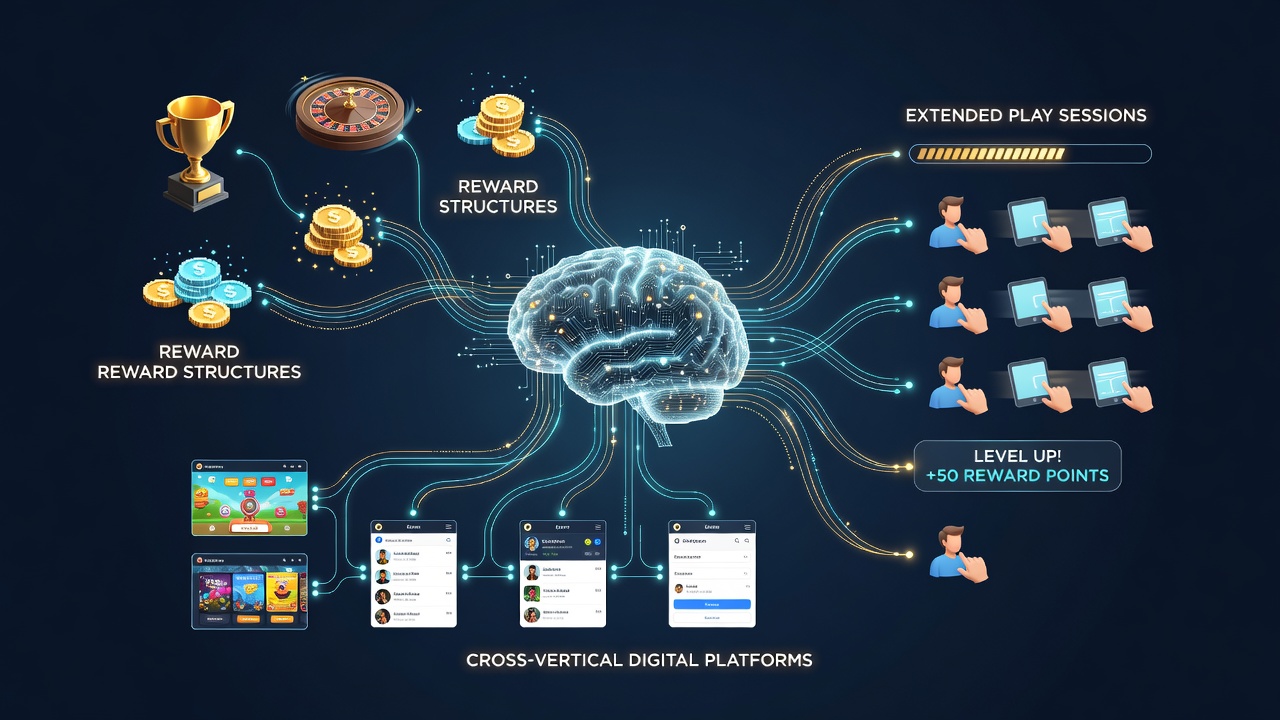
Cross-Vertical Data Sharing and Personalization
Platforms that operate across verticals collect behavioral signals from multiple sources and feed them into unified recommendation engines. A user who lingers longer after receiving surprise loot in a game may see tailored challenges appear in an associated fitness or learning app. This personalization relies on aggregated datasets rather than single-product telemetry, allowing the system to anticipate when engagement is likely to wane and intervene with context-appropriate incentives.
Regulatory bodies in several jurisdictions have begun examining these practices. The Australian Competition and Consumer Commission published findings in 2024 that highlighted how opaque reward probabilities can influence spending and time allocation patterns. Similar scrutiny appears in Canadian provincial reviews and European consumer protection reports, each emphasizing transparency requirements without prohibiting the underlying mechanics.
Measurement Metrics Used by Platform Operators
Operators track daily active users alongside average session duration and retention curves at 24-hour, 7-day and 30-day intervals. When reward structures change, A/B testing isolates the impact on these figures. Figures released by Newzoo in their annual global games market reports reveal that titles employing sophisticated cross-progression systems maintain median session lengths above industry averages even after the initial novelty period fades.
Teams also monitor secondary indicators such as return visits within the same day and completion rates for optional challenges. These metrics help refine the spacing between rewards so that users experience steady forward momentum without hitting saturation points where additional incentives lose impact.
Conclusion
The connection between reward timing, cross-platform progression and session length rests on observable patterns documented across academic studies, industry analytics and regulatory reviews. As digital environments continue to merge gaming, social and entertainment functions, the same core principles of intermittent reinforcement and data-driven personalization are expected to shape user behavior through 2026 and beyond.