Real-Time Score Integration Driving Dynamic Odds in Racket Sport Wagering Platforms
Written by Zara Keller · Oct 15, 2026
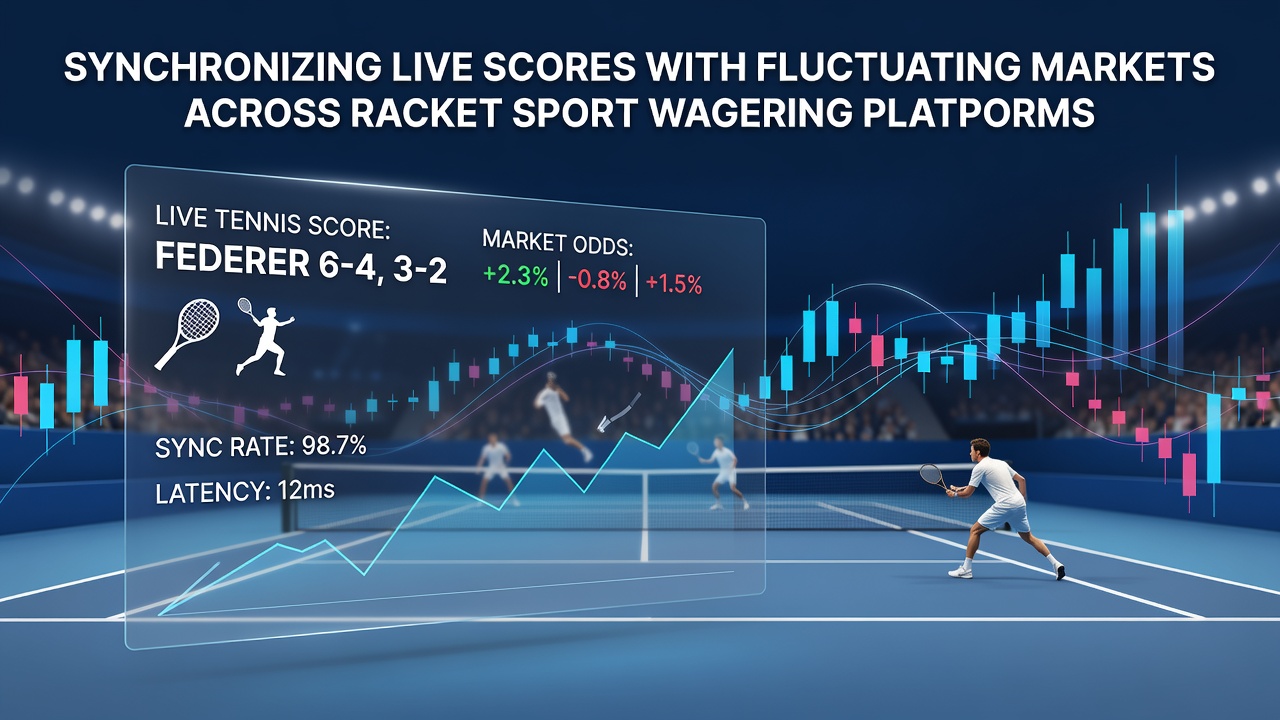
Real-Time Score Integration Driving Dynamic Odds in Racket Sport Wagering Platforms
Platforms handling racket sport wagers rely on continuous data streams that update scores from tennis courts, badminton halls, and squash venues within seconds of each point, and these feeds trigger immediate recalculations across thousands of active markets. Operators connect to official tournament data providers through APIs that deliver point-by-point information, allowing odds engines to adjust probabilities for set winners, game totals, and in-play handicaps without manual intervention. Data from major events shows that markets for a single tennis match can experience dozens of price movements per set when scores shift rapidly, and synchronization tools ensure those changes reach bettors before the next serve occurs.
Core Systems Behind Live Synchronization
Software layers collect raw score inputs from court-side officials or electronic sensors, then push the information through standardized protocols to betting servers located in multiple jurisdictions. Each platform maintains redundant connections to minimize latency, and studies from sports data firms indicate average delivery times under three seconds for high-profile matches. When a player breaks serve in tennis, the system recalibrates implied probabilities for remaining games and sets while simultaneously updating related propositions such as total points or next-game winner. Racket sport schedules in October 2026 include several simultaneous tournaments across Europe and Asia, which increases the volume of concurrent matches requiring synchronized feeds and places additional demands on bandwidth and processing capacity.
Market Fluctuation Patterns in Tennis and Similar Sports
Betting exchanges and traditional sportsbooks both demonstrate rapid price adjustments once scores arrive, yet the mechanisms differ slightly because exchanges allow peer-to-peer matching while books maintain their own risk books. Observers note that a single point in badminton can shift over-under totals by several percent when the game sits near a decisive scoreline, and algorithms factor in player fatigue indicators derived from historical rally lengths. Squash markets often see even sharper swings because matches consist of fewer total points and each rally carries higher weight in the final outcome. Research conducted by European sports analytics groups reveals that volume spikes occur immediately after score updates, with liquidity providers adjusting their offers to reflect the new state of play.
Technical Challenges and Platform Responses
Network delays, venue-specific scoring formats, and varying data quality from different tournaments create occasional mismatches between actual play and displayed markets. Developers address these issues through fallback scoring sources and validation rules that cross-check multiple feeds before confirming an update. In cases where a point is replayed due to a line call review, the system must reverse prior adjustments quickly to avoid stale odds remaining available. Industry reports from Australian regulatory bodies highlight the importance of audit trails that log every data packet and market change, enabling post-event verification of synchronization accuracy across platforms.
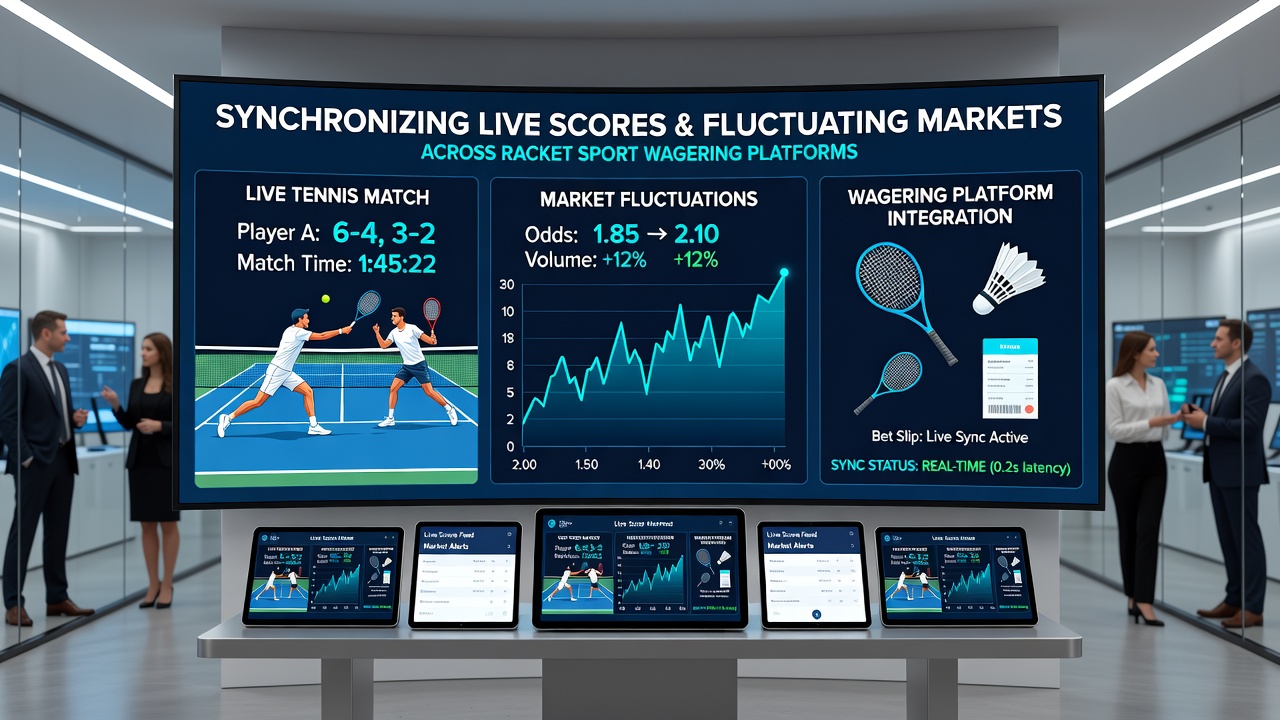
Operators also integrate player statistics and court surface data into the same pipeline, so a sudden shift in momentum combines with contextual factors such as previous head-to-head results on similar surfaces. This layered approach produces more nuanced market movements than score data alone would generate. Platforms serving North American users often maintain separate risk engines tuned to local preferences, while European operators prioritize broader proposition sets that include tie-break specifics and service game percentages.
Regulatory and Data Integrity Considerations
Government agencies in multiple regions require operators to demonstrate that market changes result directly from verified score inputs rather than internal adjustments. The Nevada Gaming Control Board, for instance, has issued technical standards covering real-time data handling in sports wagering systems, and similar guidelines appear in Canadian provincial frameworks. These rules emphasize timestamp accuracy and the ability to reconstruct market states at any moment during a match. Academic papers published by university research teams in sports informatics have examined latency effects on betting behavior, finding that delays exceeding five seconds correlate with reduced participation in fast-moving racket sport markets.
Future Developments Expected by Late 2026
Advances in edge computing and 5G connectivity are projected to reduce synchronization times further by October 2026, allowing even smaller tournaments to feed live data into global platforms. Machine learning models continue to refine the interpretation of score sequences, incorporating variables such as serve speed trends and error rates derived from video analysis. Industry associations tracking these trends expect expanded coverage of wheelchair and junior events, each requiring tailored market structures that still rely on the same core synchronization infrastructure. Partnerships between data providers and wagering platforms are expanding to include predictive elements that flag potential score corrections before they reach the official feed.
Conclusion
Effective synchronization of live scores with fluctuating markets forms the operational backbone of racket sport wagering platforms, and continued investment in data infrastructure supports reliable performance across growing numbers of simultaneous events. Accuracy in these systems depends on robust connections, validated inputs, and regulatory oversight that together maintain market integrity for participants worldwide.